

About The Event
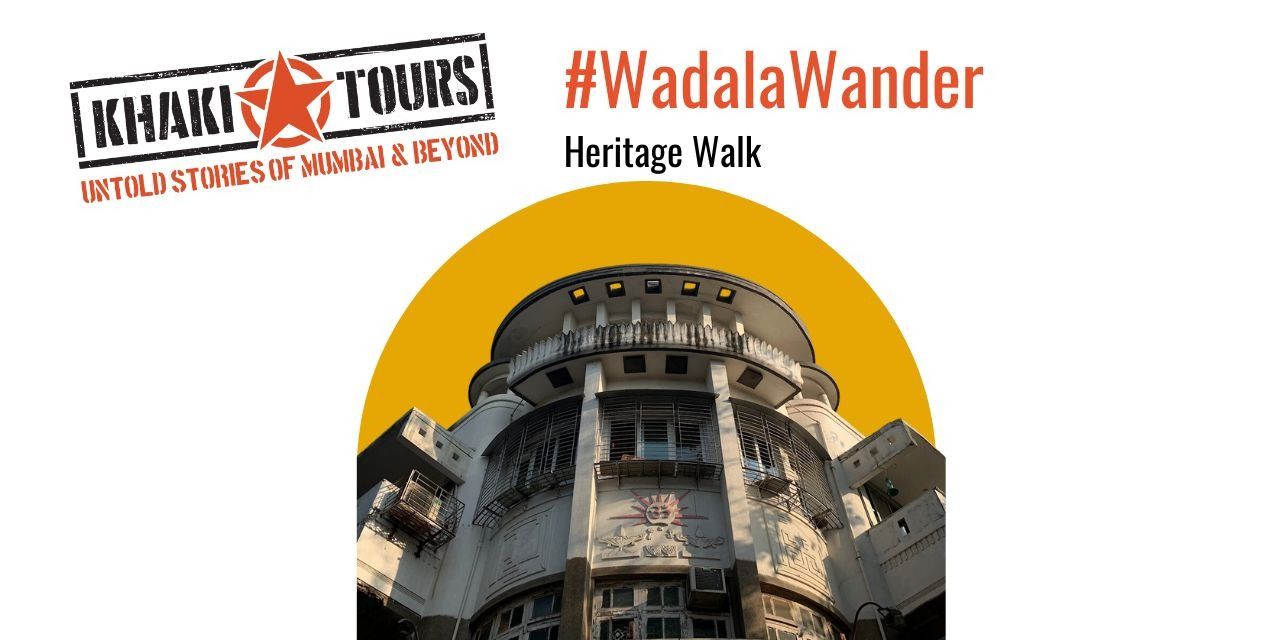
Till the 1900s, beyond the congested streets and crowded residential areas of Mumbai and the industrial areas of Lalbaug and Parel were countryside - farmlands and vast open areas dotted with little villages, some of them no longer on the map. The plague of 1896 was the catalyst for the development of these lands into residential schemes. Lack of funds and World War II put a temporary halt to their development, but the influx of refugees from Sindh and Punjab after Independence and Partition restarted the process. What lay here where roads and buildings are today? Was it history or is it a mystery? On our new #WadalaWander walk, we walk around the village of Wadala to try and answer these questions and find its hidden secrets.
2.5 Hours
2.5 Km
HIGHLIGHTS
A hotbed of Dalit politics
Asias largest gathering of buses (once upon a time)
Mumbais first encounter killing
A school in a military barracks
Salt satyagraha in Mumbai
A swadeshi bajakhana
Pandharpur in Mumbai
An ancient court of law
And, of course, the Wadala village


