

About The Event
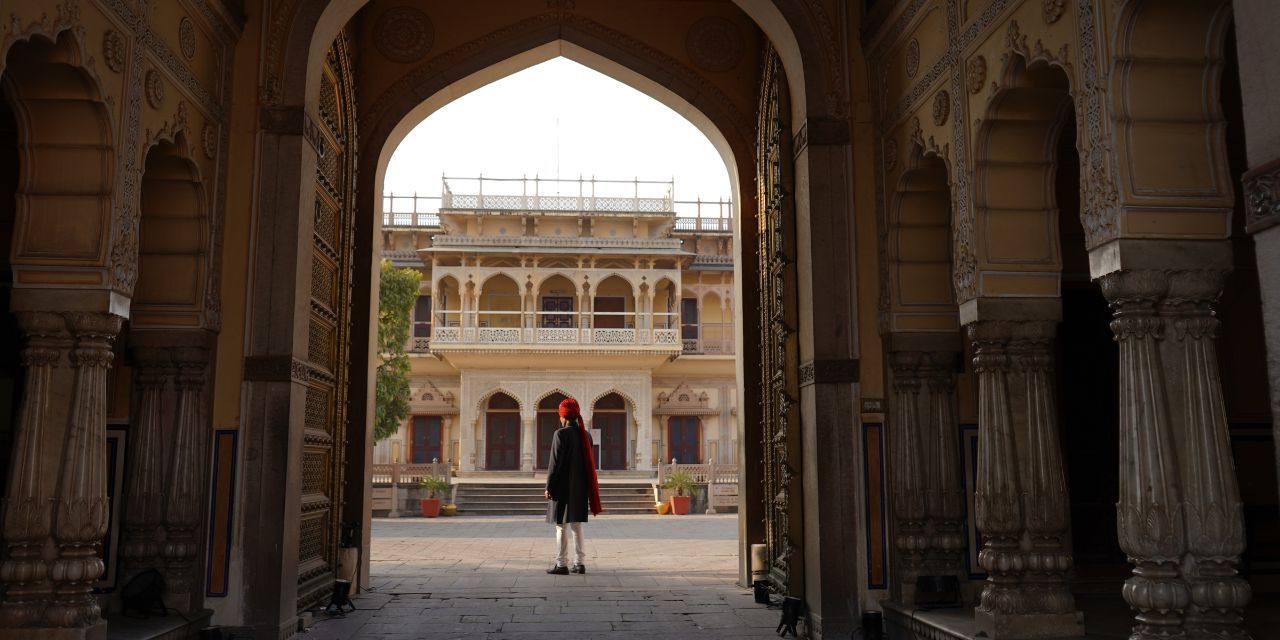
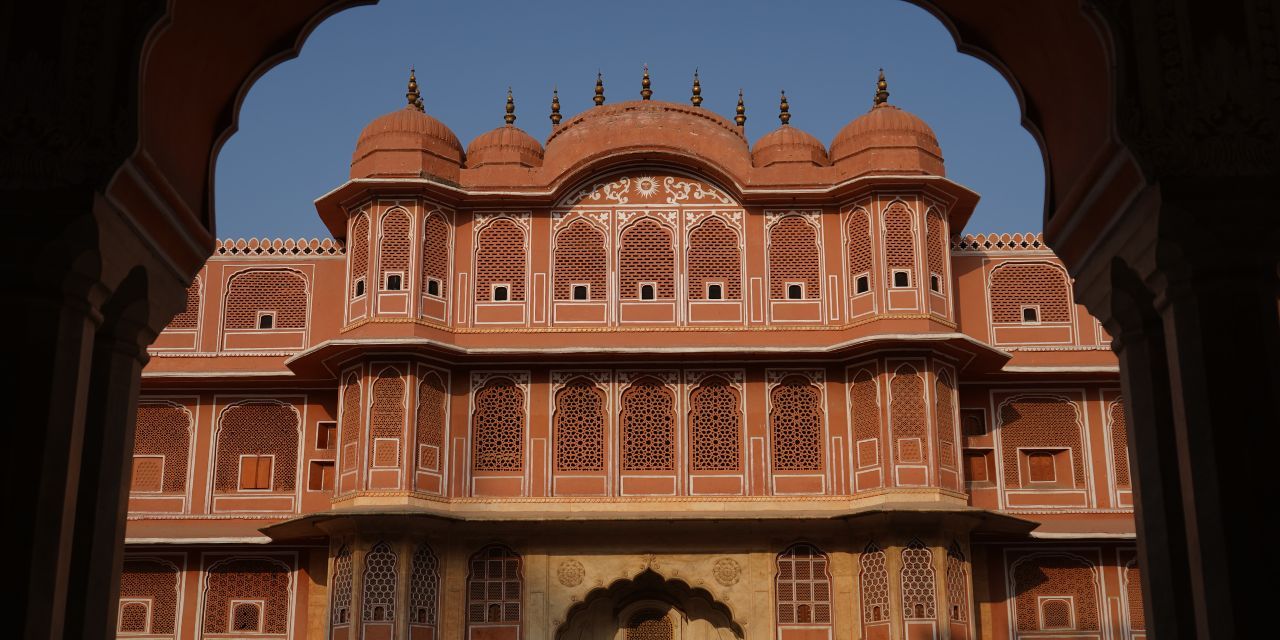
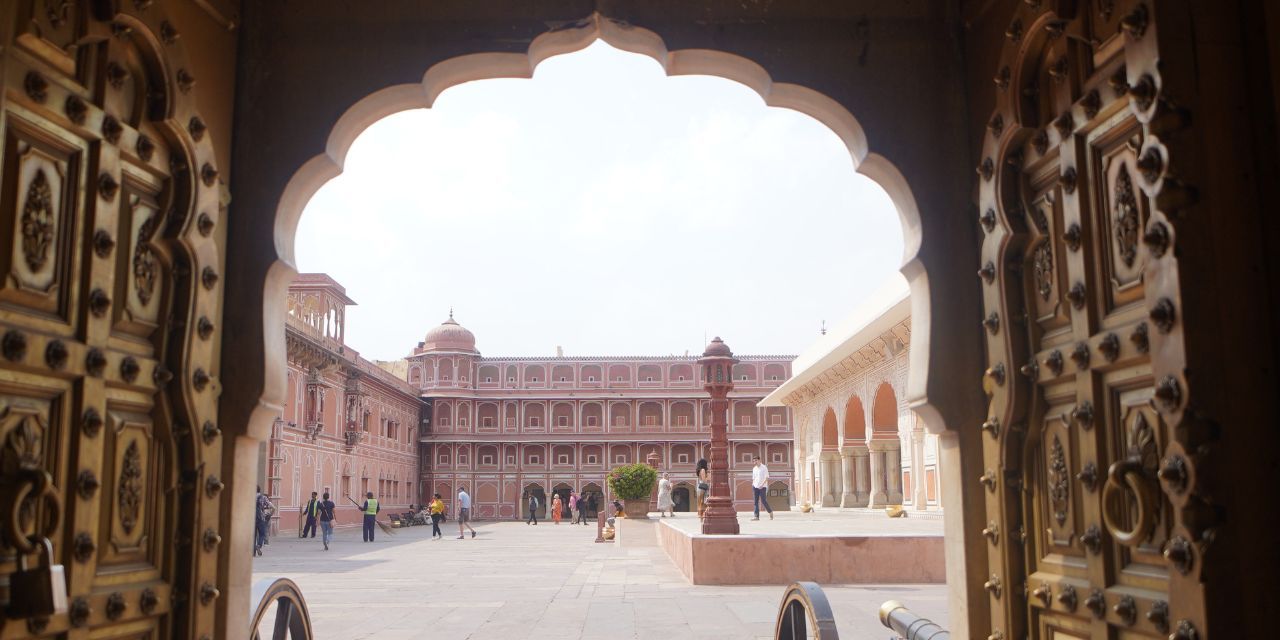
The City Palace, Jaipur is one of the most culturally flourishing and premier palace museums in India. Constructed by Maharaja Jai Singh II in 1727, it functioned as the former administrative headquarters of the Maharajas of Jaipur. At the core of this building lies the principle of Vastu Shastra, constructed in a sequence of seven courtyards and gates. Four of these courtyards form part of the Maharaja Sawai Man Singh II Museum and are open to visitors. The Kachhwaha dynasty's legacy is reflected in each exhibit of the Palace, many of which are genuine national treasures. Historically, the Palace has been the seat of political administration and home to the Chattis Karkhanas, the 36 royal departments that supported governance and sustained the patronage of traditional crafts and specialised skills. Notable experiences include:
Courtyards and Ceremonial Spaces
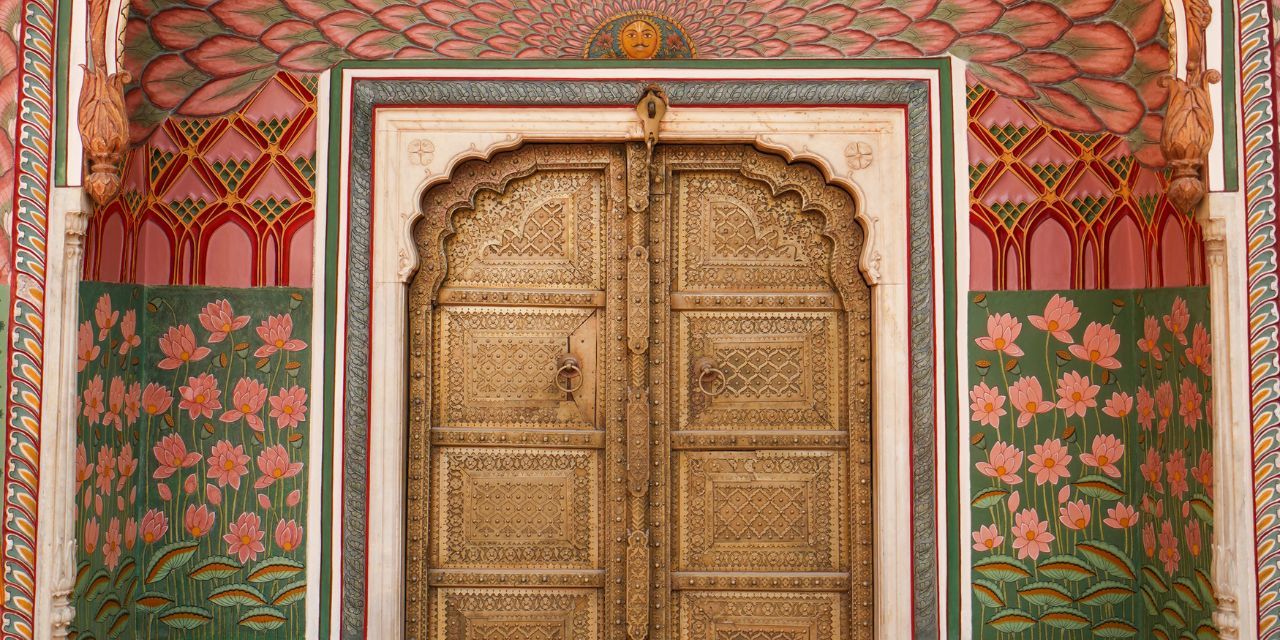
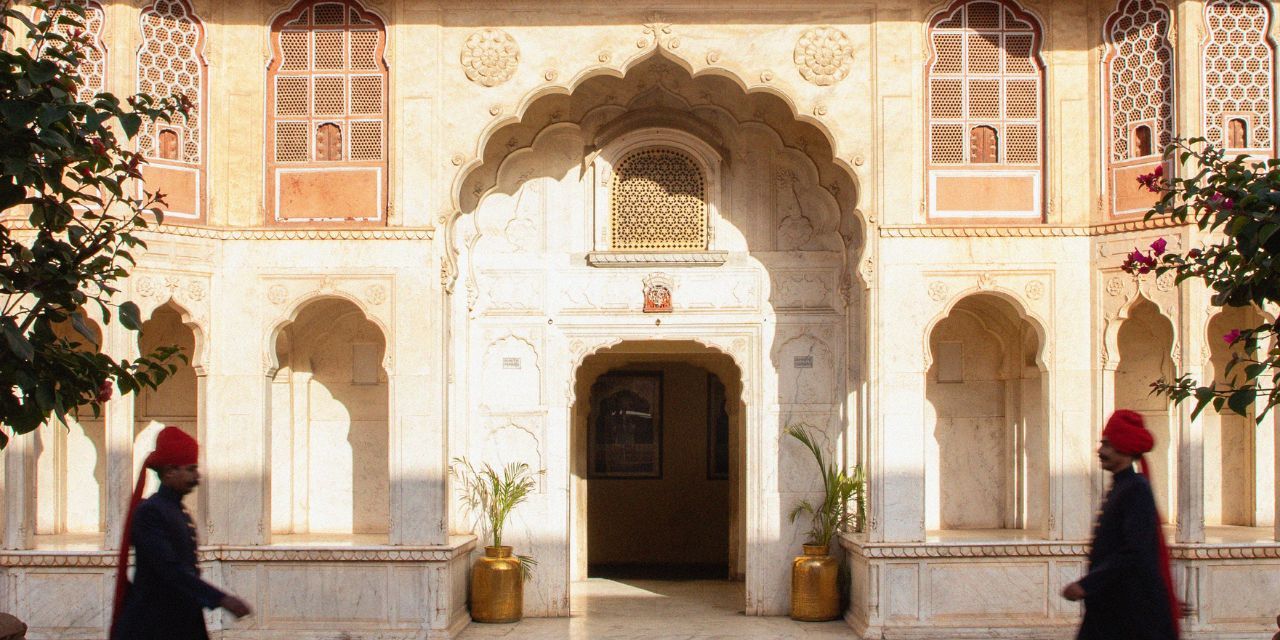
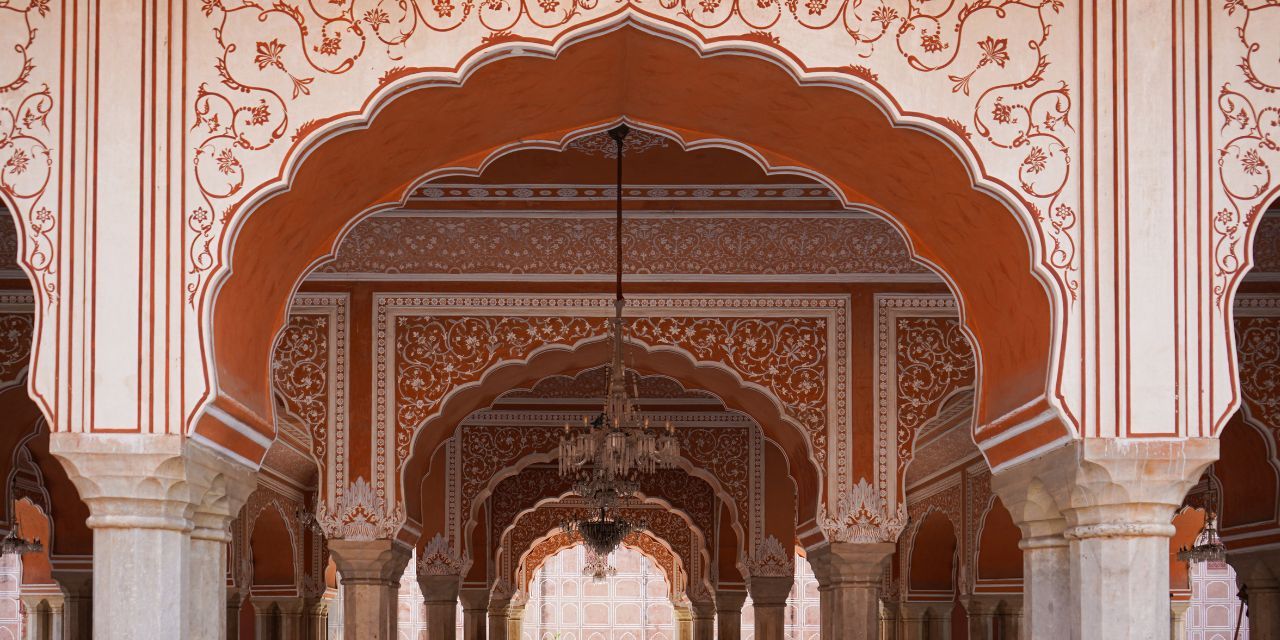
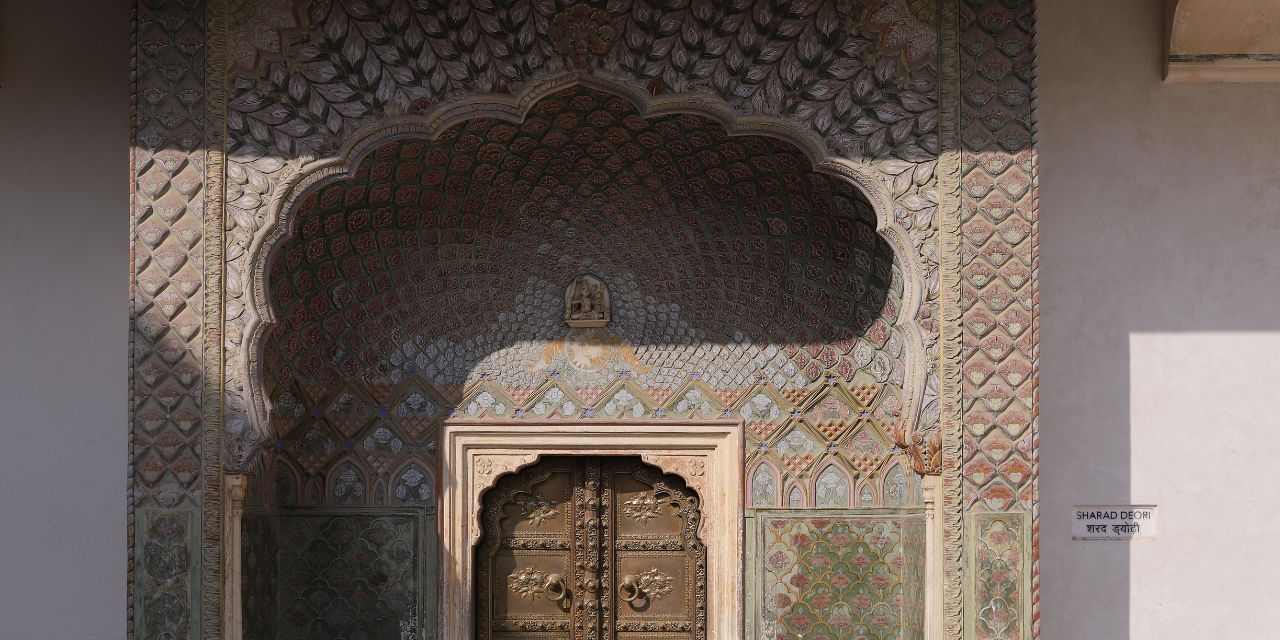
Take a tour of Pritam Niwas Chowk, famous for its four intricately painted gates, each honouring a different deity. From here, walk into Sarvato Bhadra, where the Maharajas held private audiences and celebrated festivals. Don’t miss the enormous Gangajalis (the largest silver urns in the world, dating back to 1902) standing guard in this courtyard. A little further lies Sabha Niwas, where royalty met their subjects and welcomed foreign dignitaries.
Palatial Galleries and Treasures
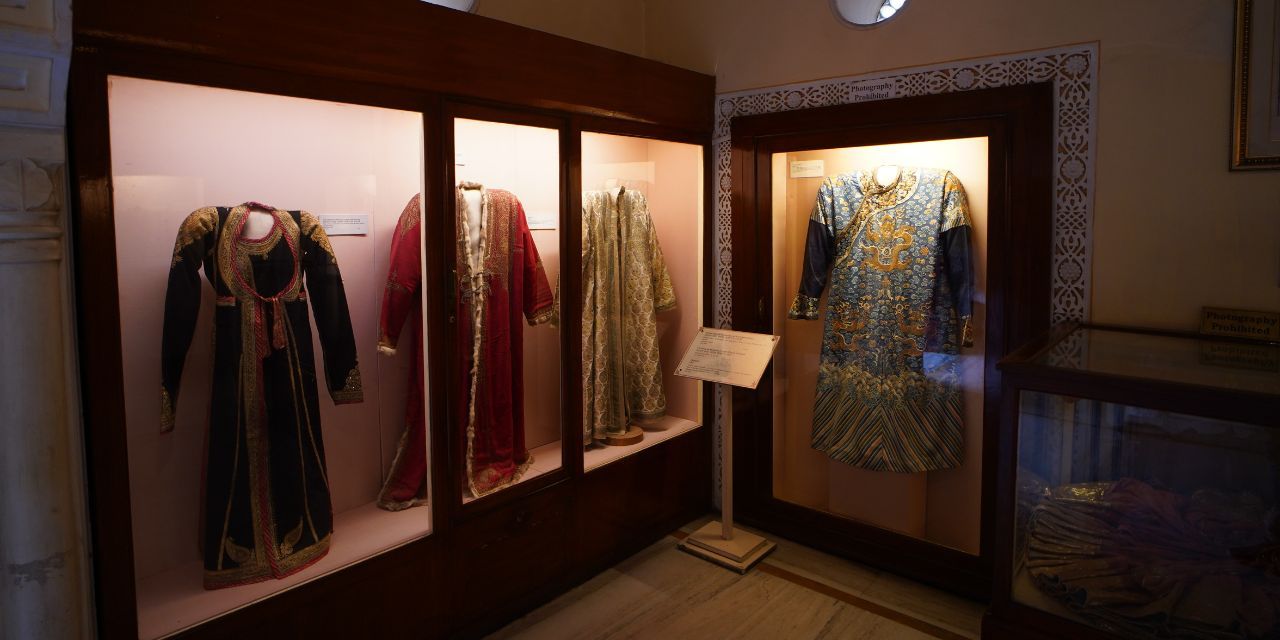
Explore the Mubarak Mahal, originally built in 1902 as a royal guest house. Today, it showcases the Museum’s rare textile collection. Just beyond, the Sileh-Khana impresses with its awe-inspiring armoury, displaying centuries of weapons that once protected the kingdom.
Art, Photography, and Royal Carriages
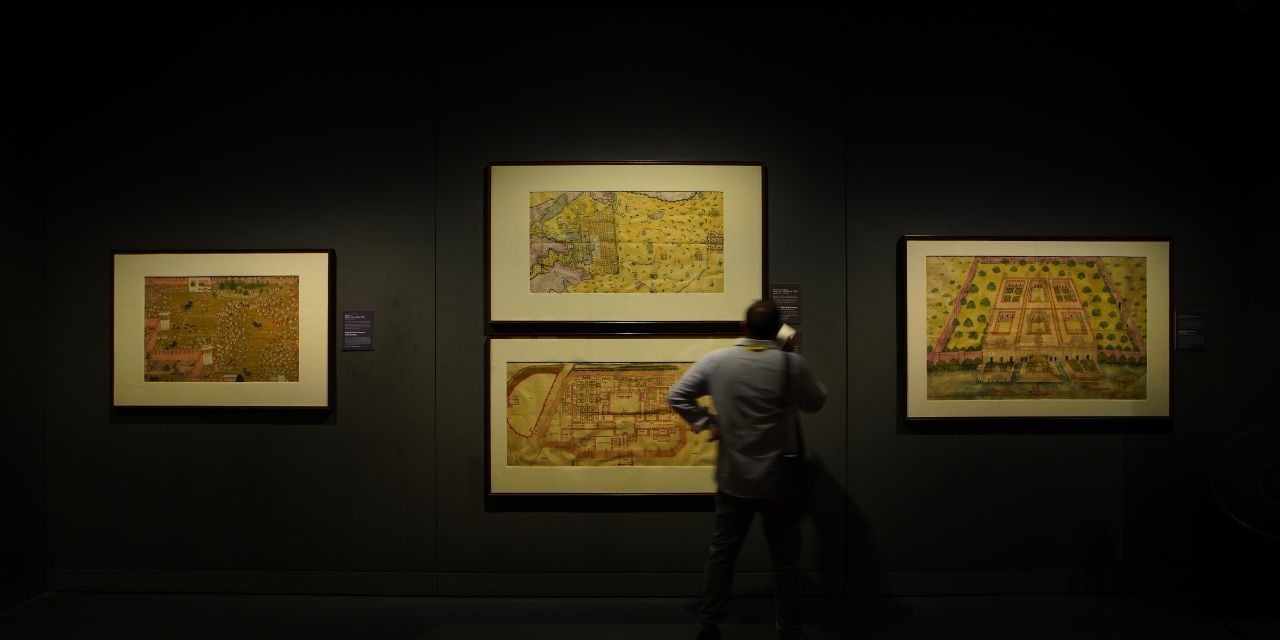
Wander through the Painting and Photography Gallery, a visual chronicle of Jaipur’s history, featuring rare portraits of Maharaja Sawai Ram Singh II, miniature paintings, early city maps, and evocative depictions of deities like Govind Devji. Then step into the Rath-Khana, where royal transport comes to life through an extraordinary display, including an elephant armour set, gilded howdahs, and even a ceremonial river boat used during the Jal-Jhulni festival.


