

About The Event
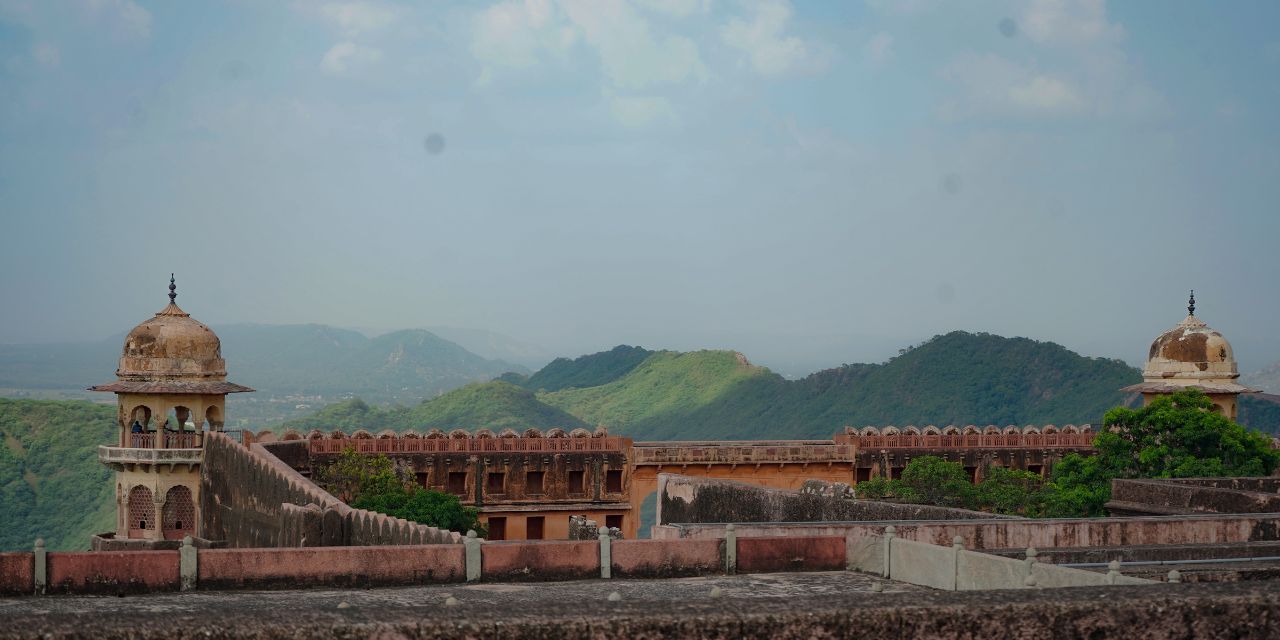
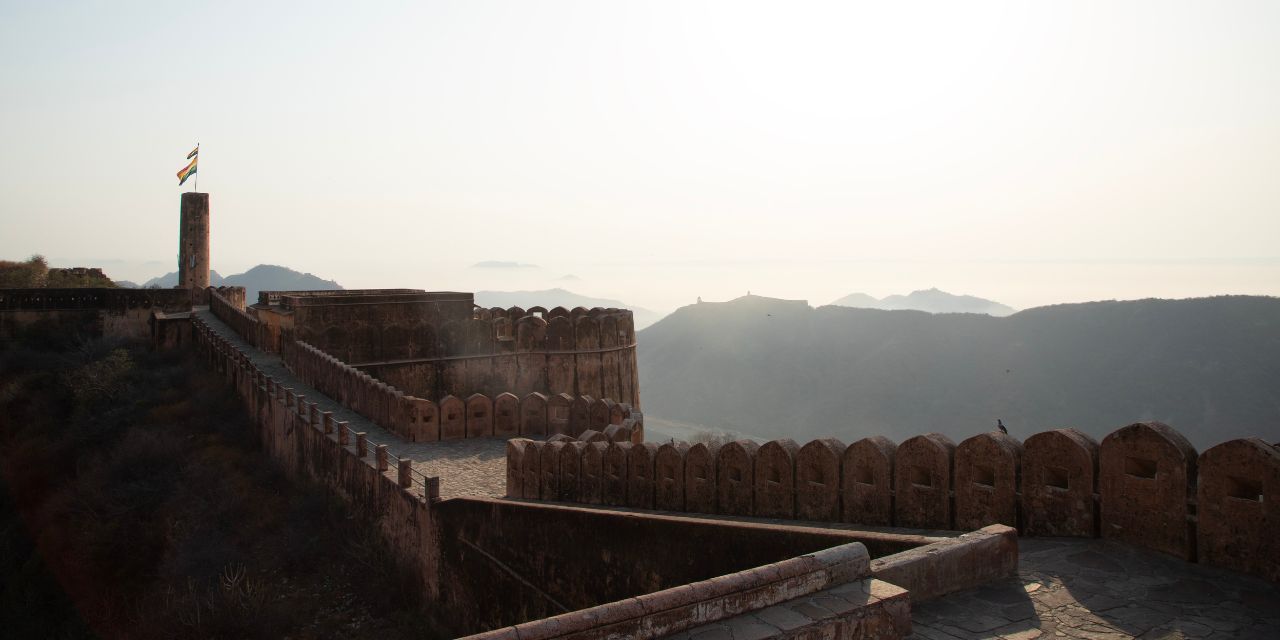
Rising above the Aravallis, Jaigarh has stood under Kachhwaha rule for nearly a thousand years. There, it was Raja Kakil Deo who recognised the site’s strategic importance and oversaw the fort’s expansion. Jaigarh has witnessed centuries unfold, from the rise of Amer to the legacies of Mirza Raja Jai Singh I and Maharaja Sawai Jai Singh II. The fort has evolved over the years, continually being upgraded and maintained to serve as an important military station.
In July 1983, Jaigarh was officially opened to the public by Brigadier Maharaja Sawai Bhawani Singh and began its new life as a tourist attraction. Today, it welcomes its visitors with intriguing routes and alleyways that lead to sprawling courtyards, intricate palaces, and galleries with well-preserved armaments. One of Jaigarh’s most striking qualities is how it rises high above Amer, standing as both watchtower and guardian of Jaipur, just as it has for centuries.
Jaigarh offers a wealth of astonishing sights. Here are some of its most remarkable highlights:
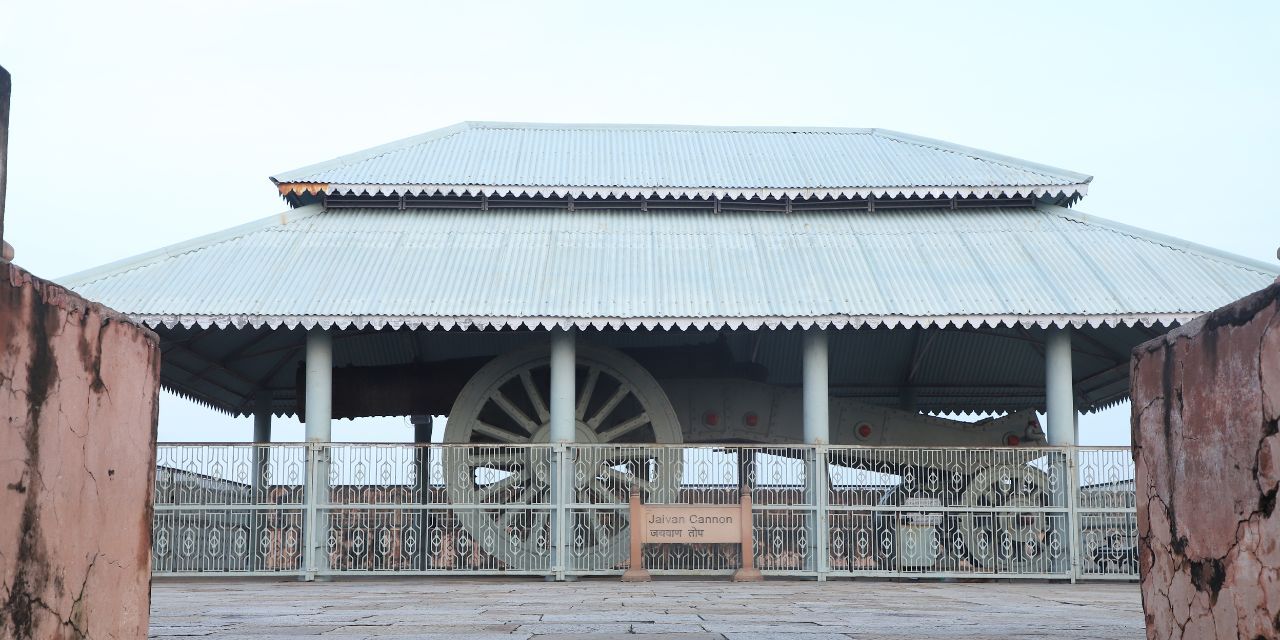
The Cannon Foundry, Jaivan Cannon
Jaigarh is known for its vast artillery collection. Towering above them all is Jaivan, the world’s largest wheeled cannon. Cast on site in 1720, this 50-ton marvel could fire a 50-kg cannonball with 100 kg of gunpowder. Contrary to what the myths say, markings reveal it was fired multiple times.
Sustainable Conservation
Long before sustainability was a global conversation, Jaigarh embodied it. Built to combat the harsh climate of Rajasthan the fort was constructed with practical and ecological conservation. From the grand Doongar Gate to the seven-story Diya Burj watchtower, every structure seamlessly balances strategy and environmental awareness.
Water Supply System
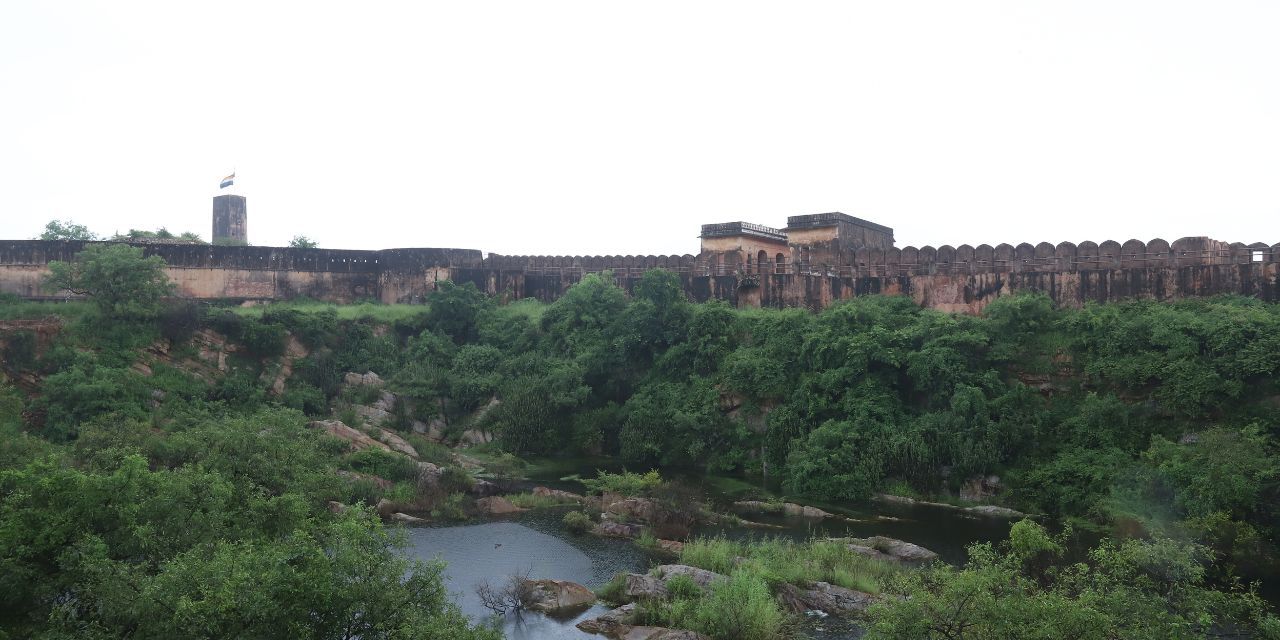
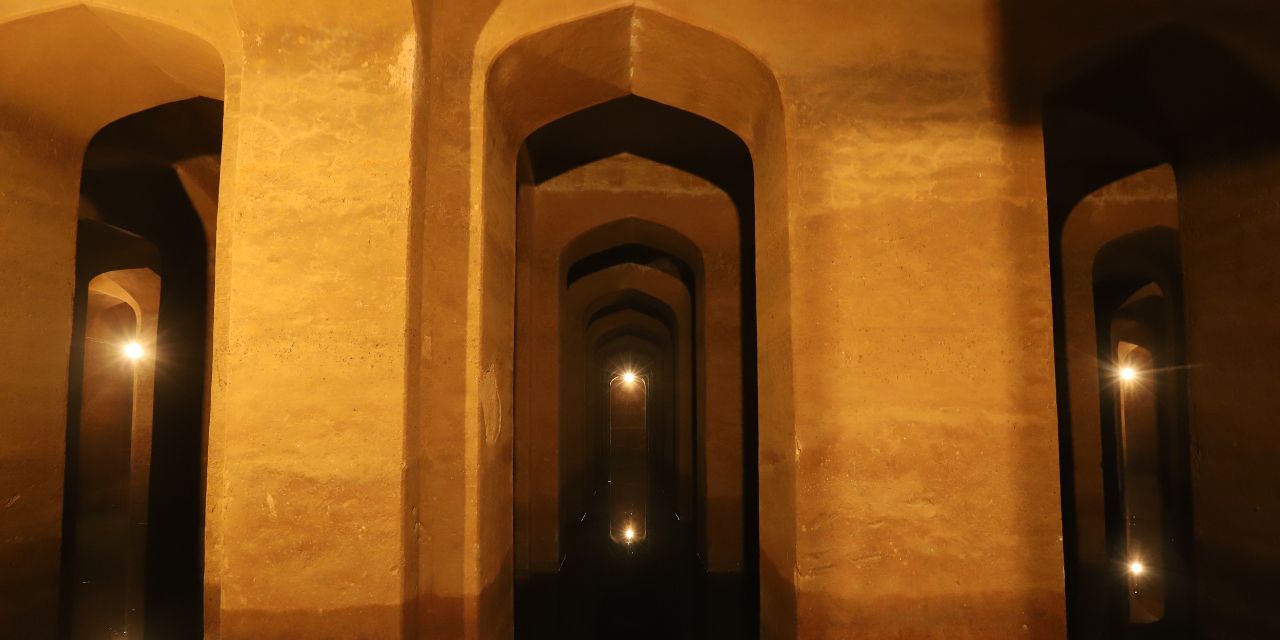
Jaigarh’s water management was centuries ahead of its time. A network of canals, aqueducts, and reservoirs stretches over 4 km beyond the fort walls, including the vast Nathawaton ka Tanka rainwater tank. Its careful conservation of water and planned tanks make Jaigarh the only known Indian fort with such a self-sufficient system.
Buildings & Complexes
Beyond cannons and ramparts, Jaigarh is home to elegant spaces that brought royal life to vivid expression. Some of these include:
The Sculpture Park: The Sculpture Park, in partnership with Jaipur Centre for art, has become a landmark destination for contemporary art in Rajasthan. Minimalist galleries and raw, expansive spaces transform the fort’s historic architecture into a dynamic canvas for contemporary art. Visitors can encounter works by leading artists including Subodh Gupta, Ashiesh Shah, L.N. Tallur, Navin Thomas, and many others.
Charbagh: It is a four-part Mughal-style garden just beyond the royal apartments. With geometric pathways, painted stones, and a small pool at its heart, it offers panoramic views of the fort.
Kathputli Ghar: A 17th-century auditorium where puppet shows and performances entertained the royal audience.
Subhat Niwas: A hall of audience facing the rising sun, symbolizing the Kachhwaha dynasty’s Suryavanshi lineage.
Aram Mandir: Designed as a peaceful retreat for royal relaxation, overlooking four square gardens arranged around a central fountain.
Laxmi Vilas: The fort’s most beautiful building, with ornate halls and elevated balconies for ceremonial gatherings.
There is still more to discover here, which you can only see when you visit.


